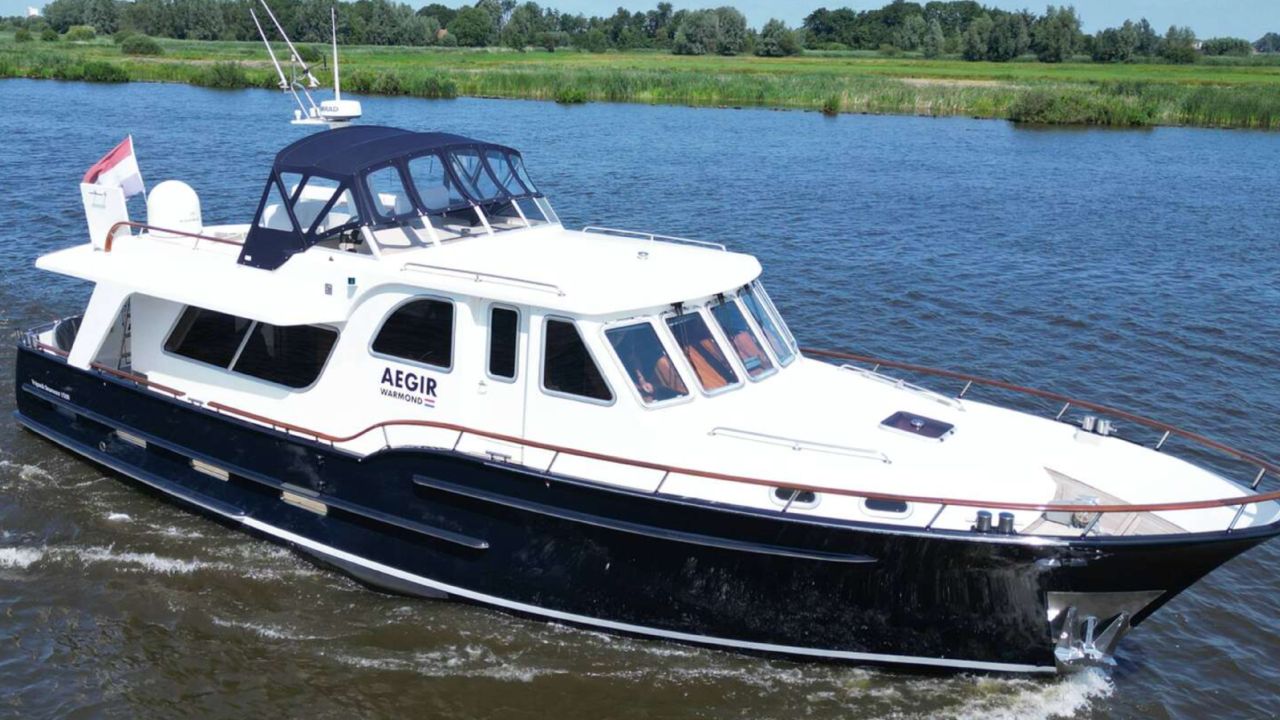
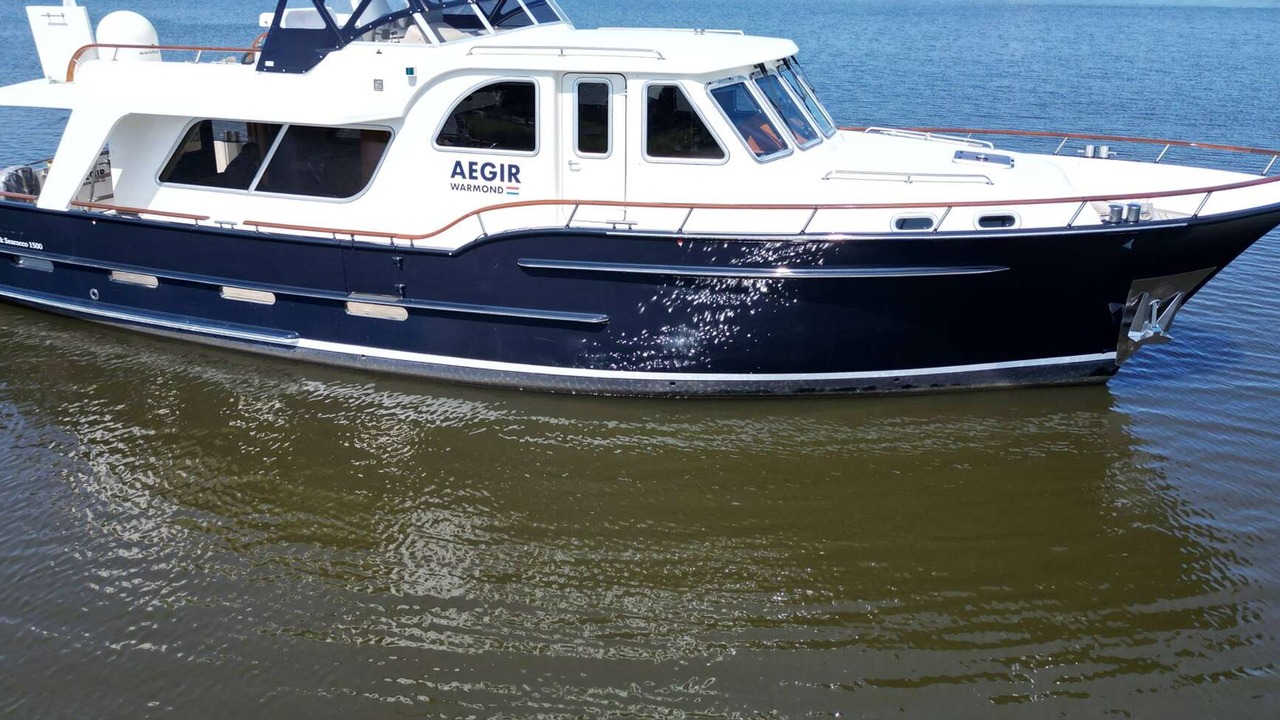
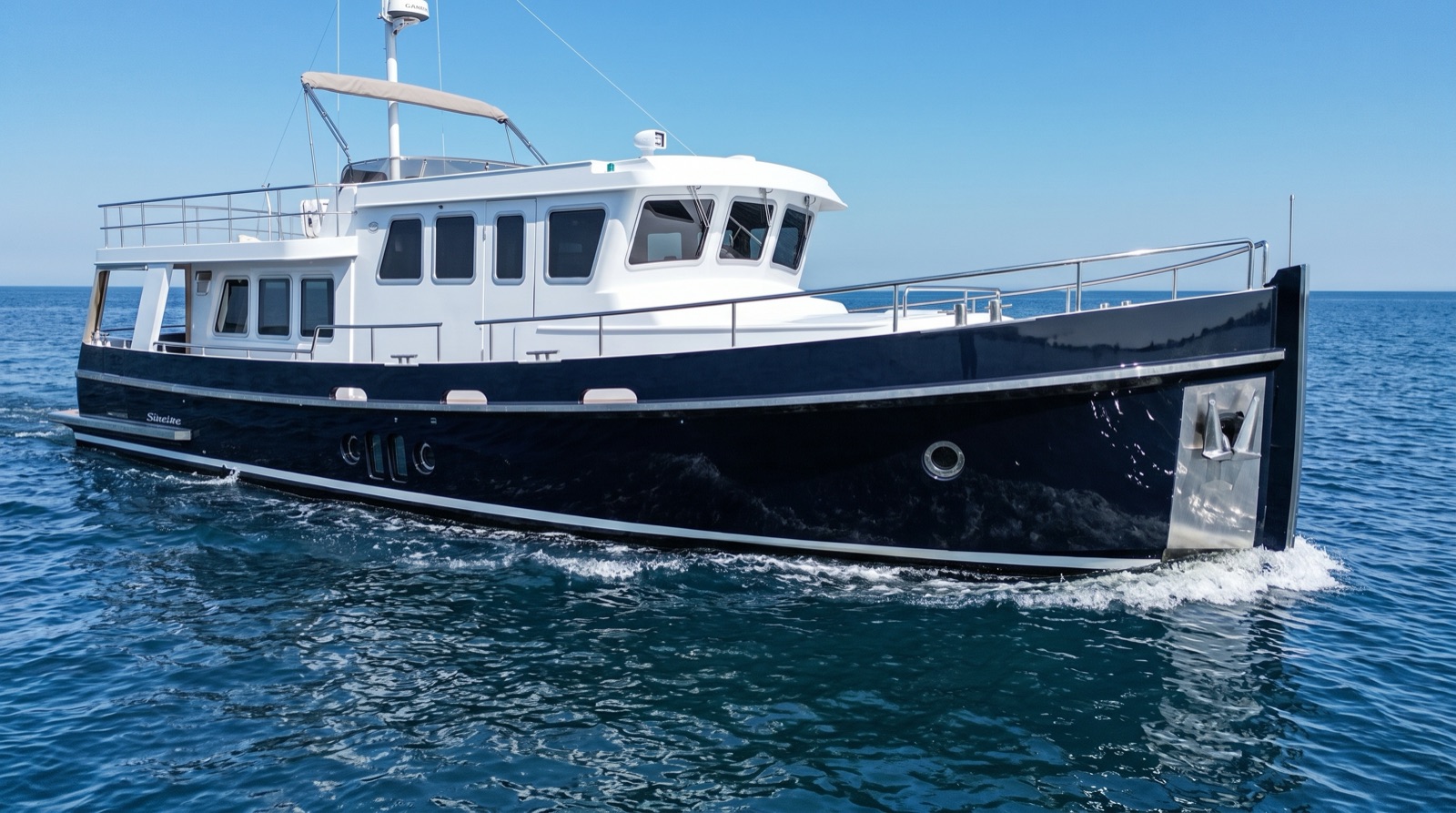
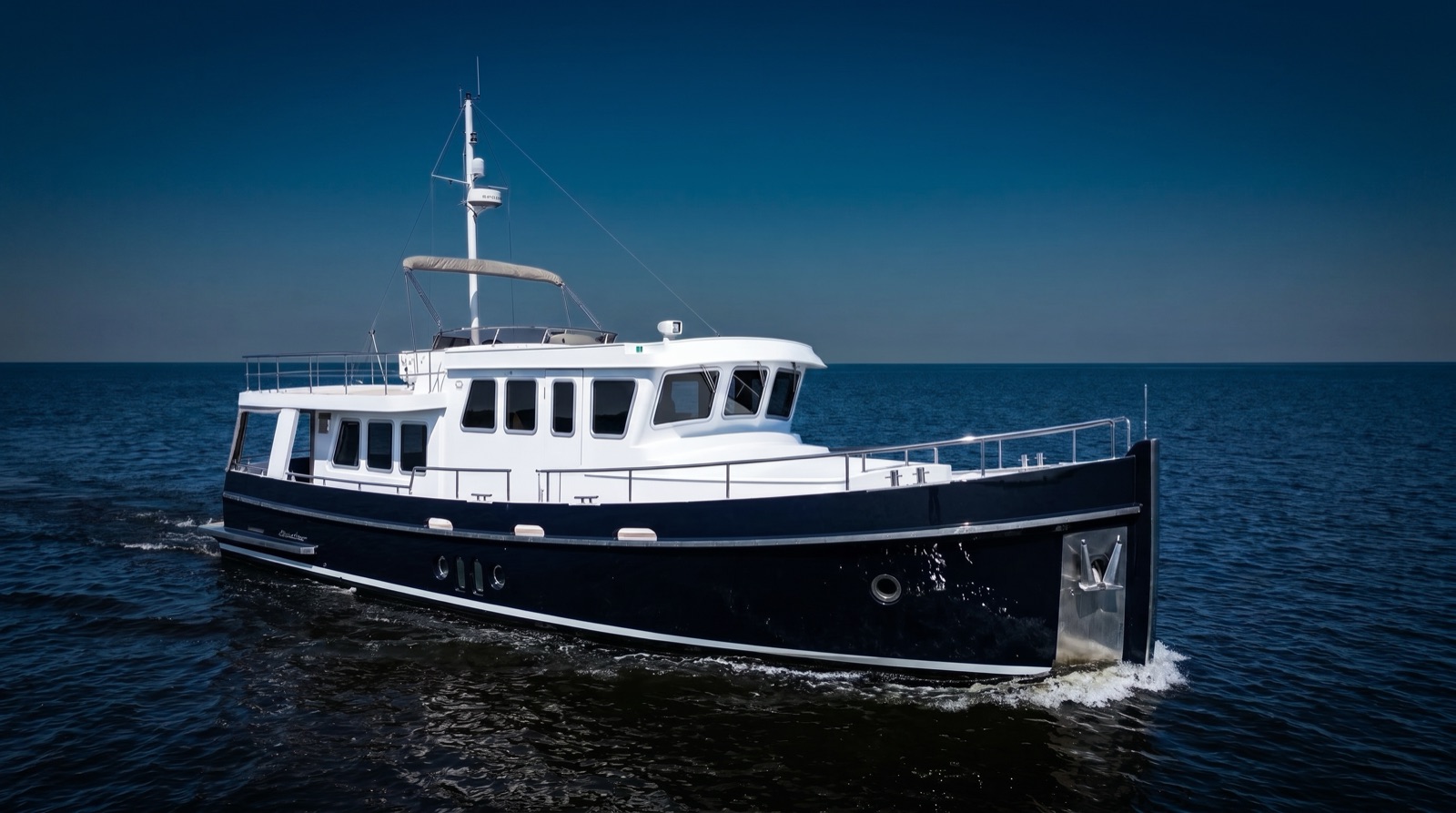
I’ve featured around 600 boats on my YouTube channel, and the same questions come up again and again. Here are my answers, each with a link to the article where I go into more detail.
What does an explorer yacht really cost to own?
Ownership is a commitment that goes well beyond the purchase price. Before you fall for a boat, set aside a realistic yearly budget for berthing, insurance, haul-out and antifouling, engine servicing, fuel, and communications. I break these costs down in my liveaboard guides.
Read more: Living aboard a Nordhavn · Before you sell the house · The real UK numbers
Steel or GRP?
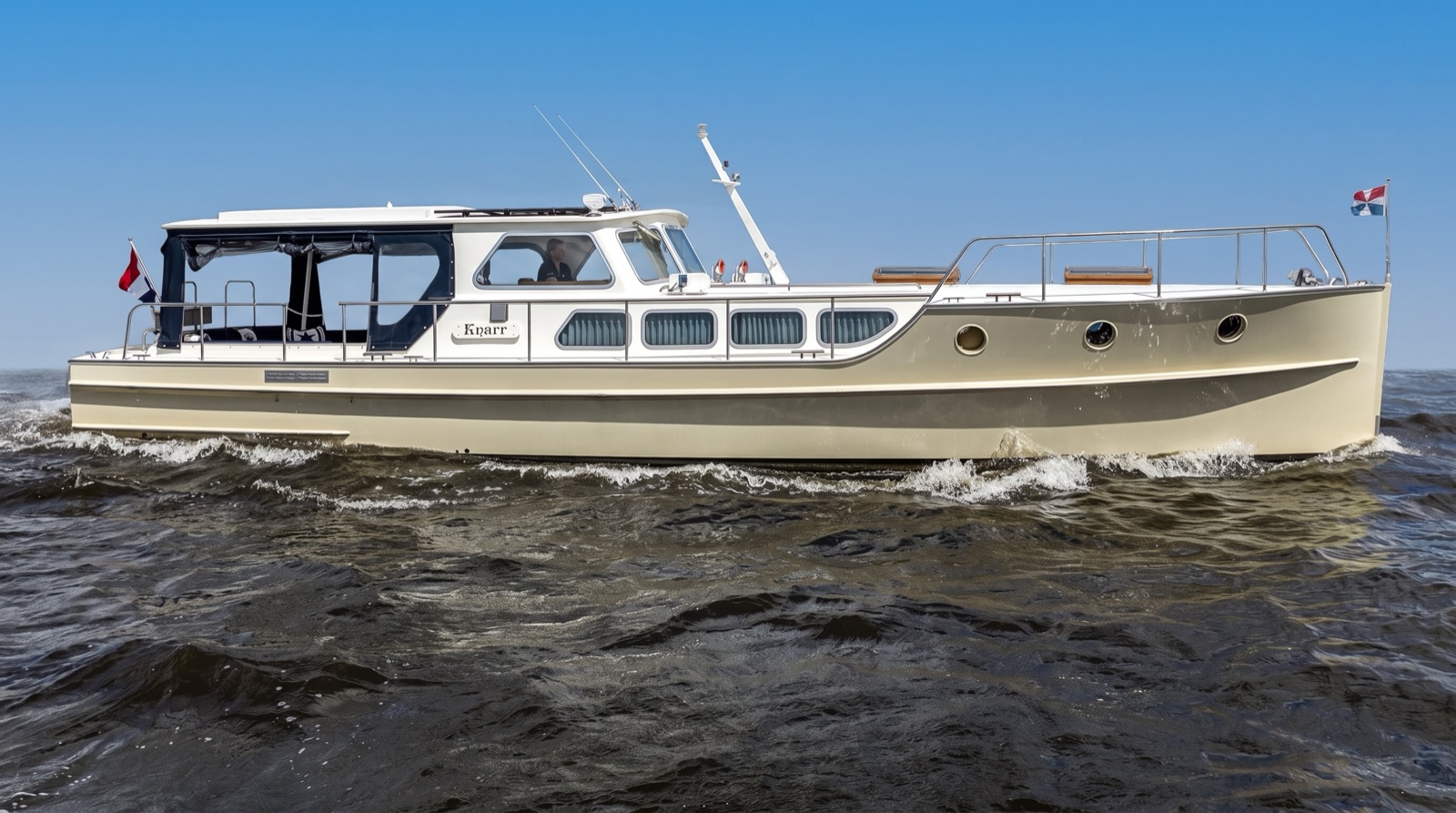
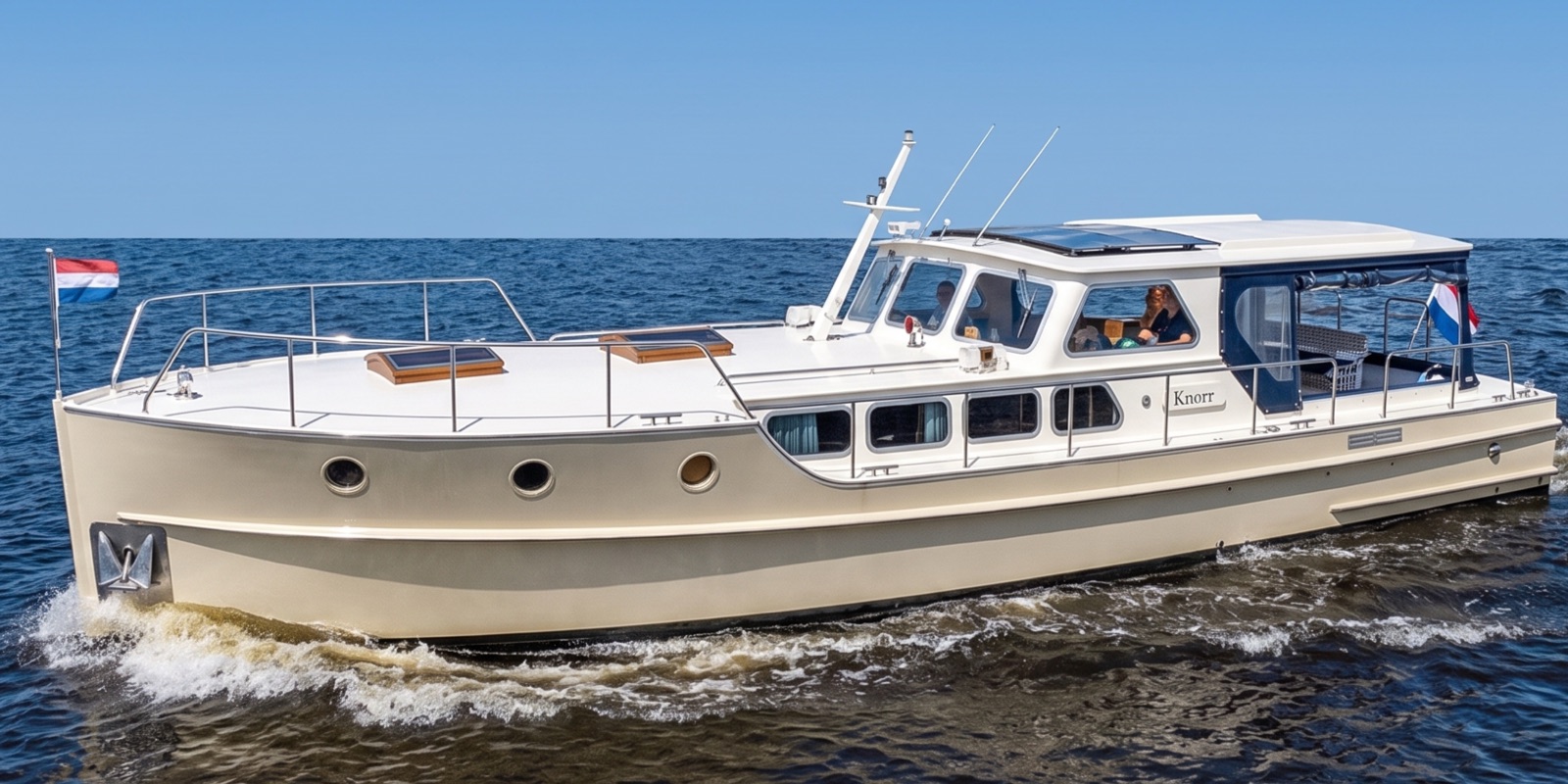
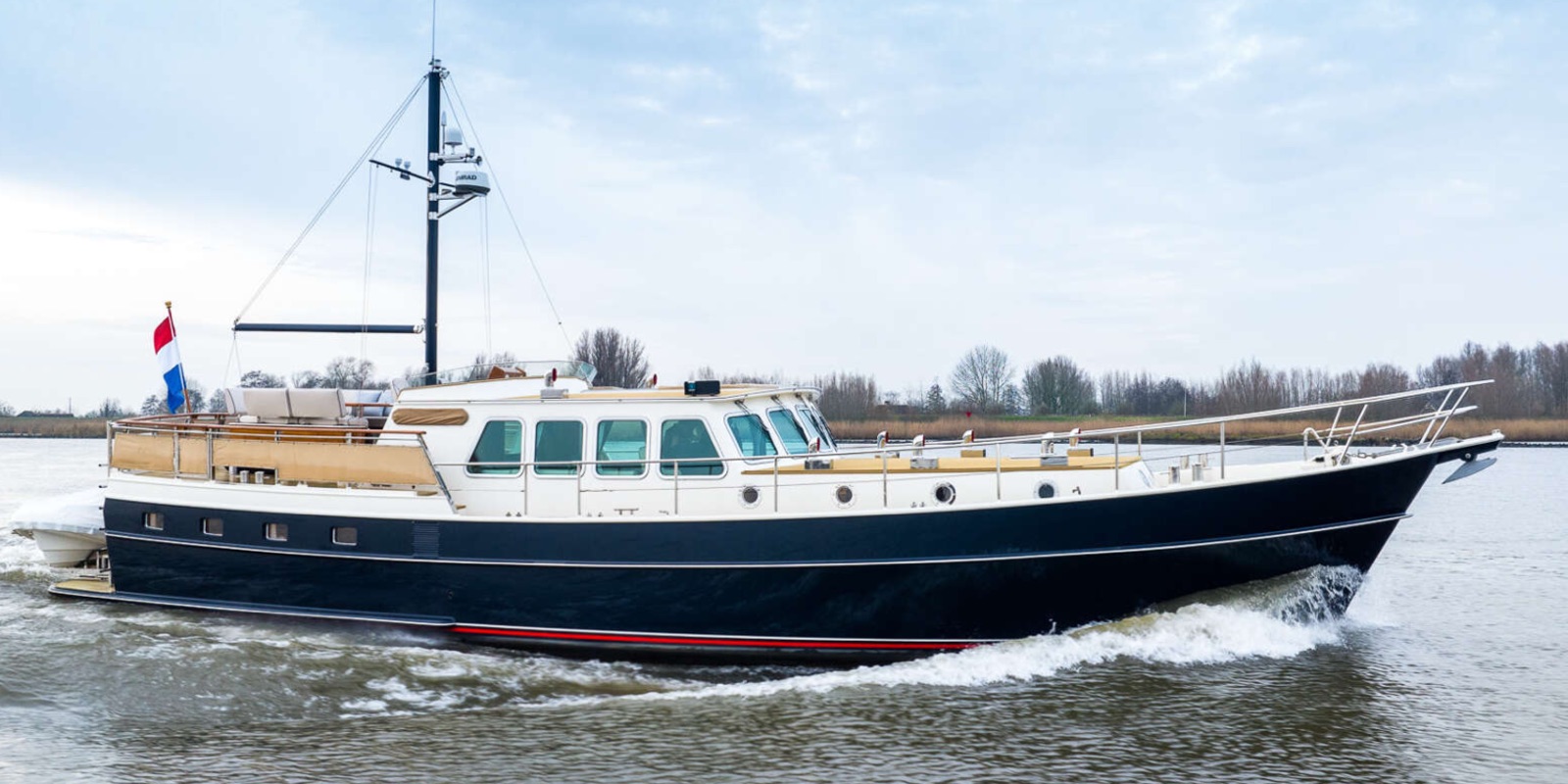
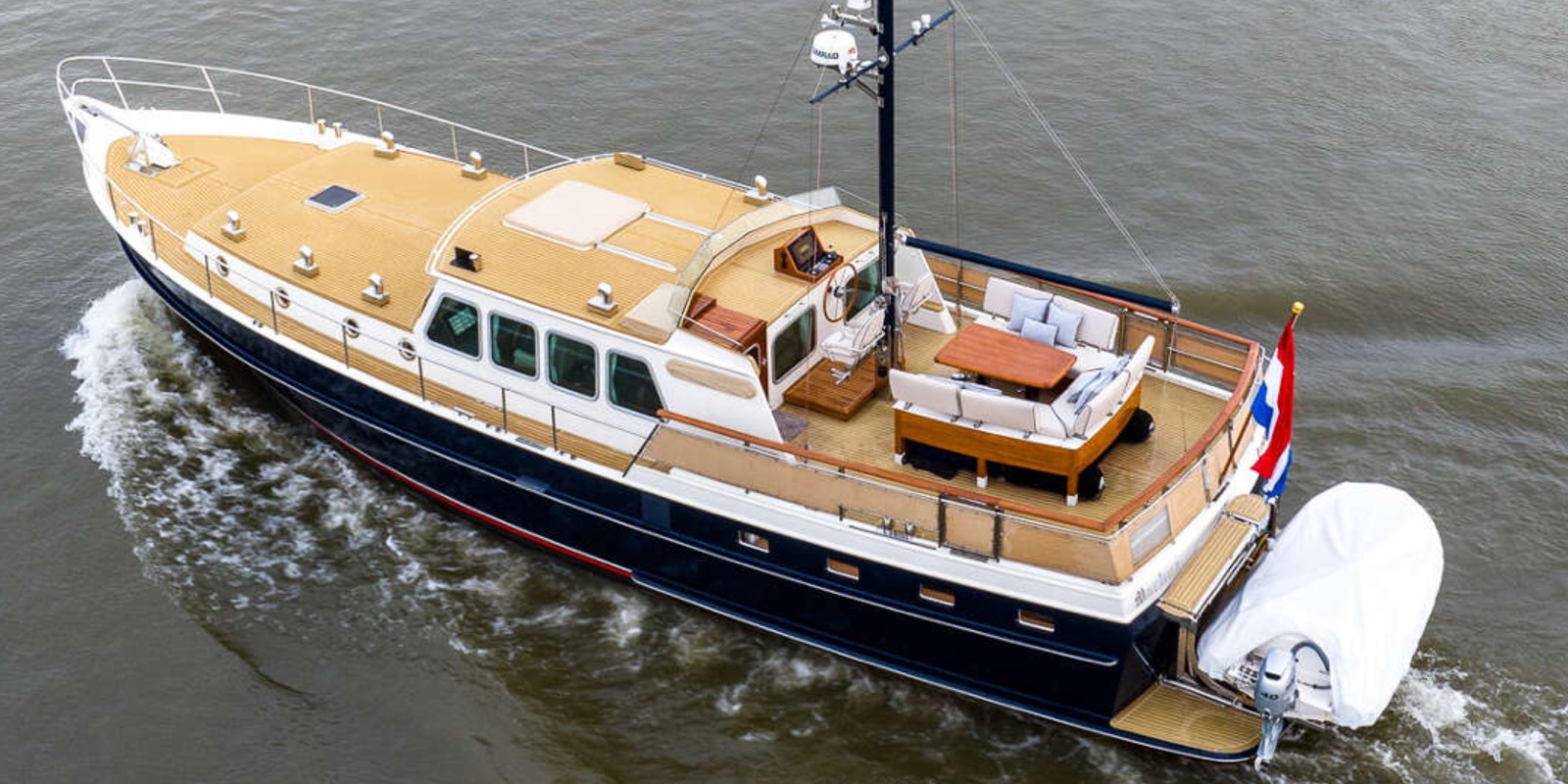
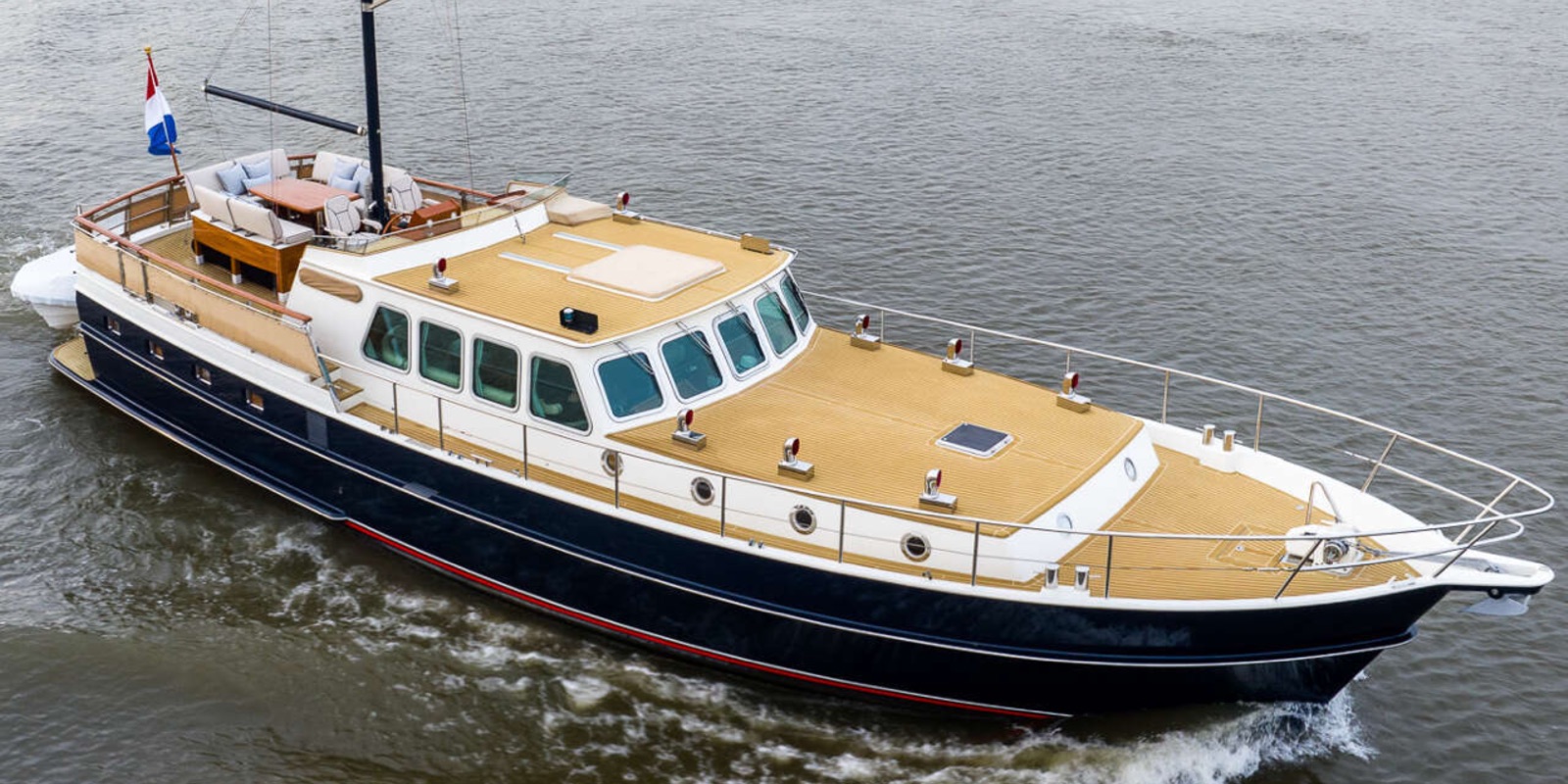
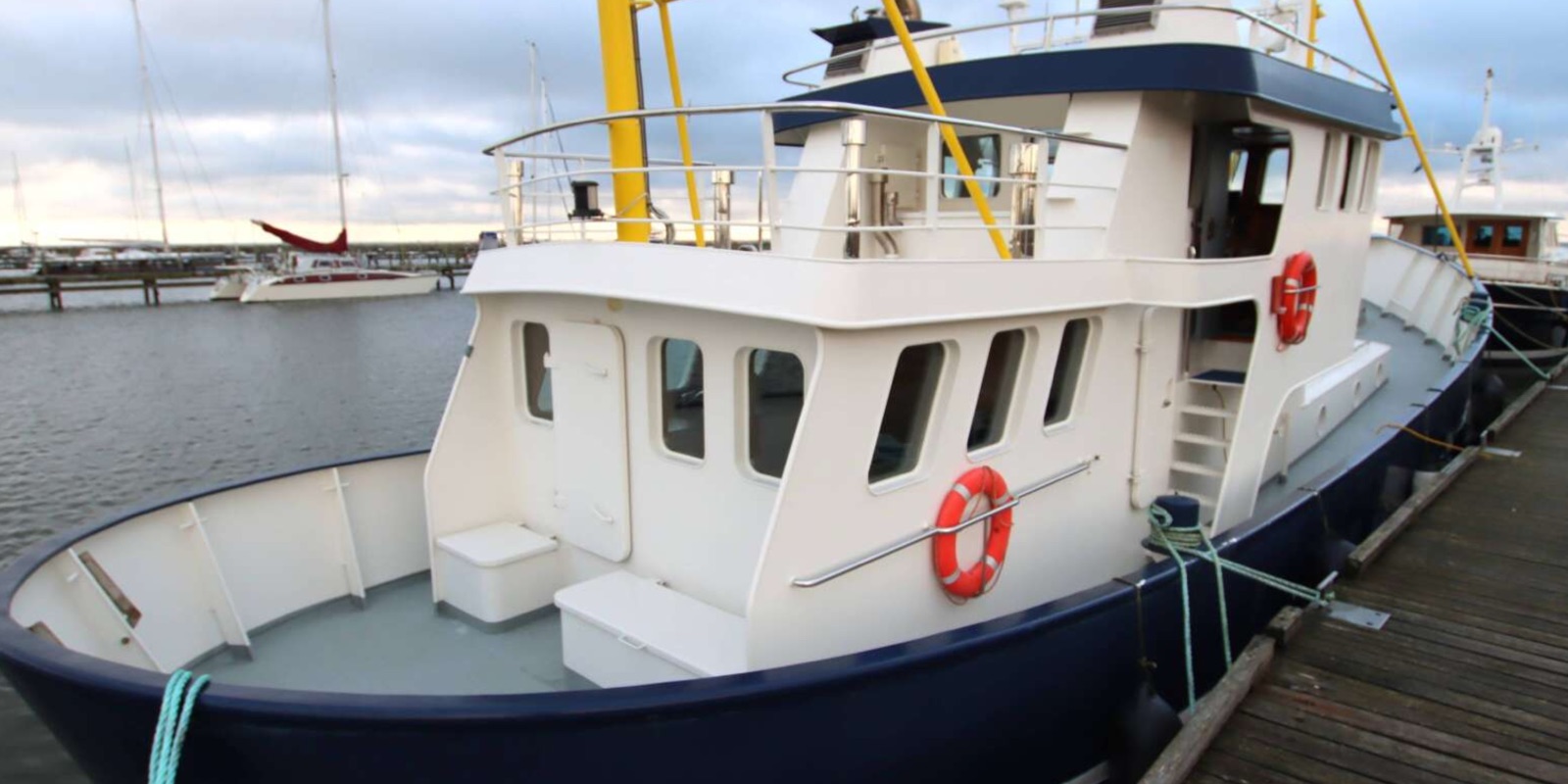
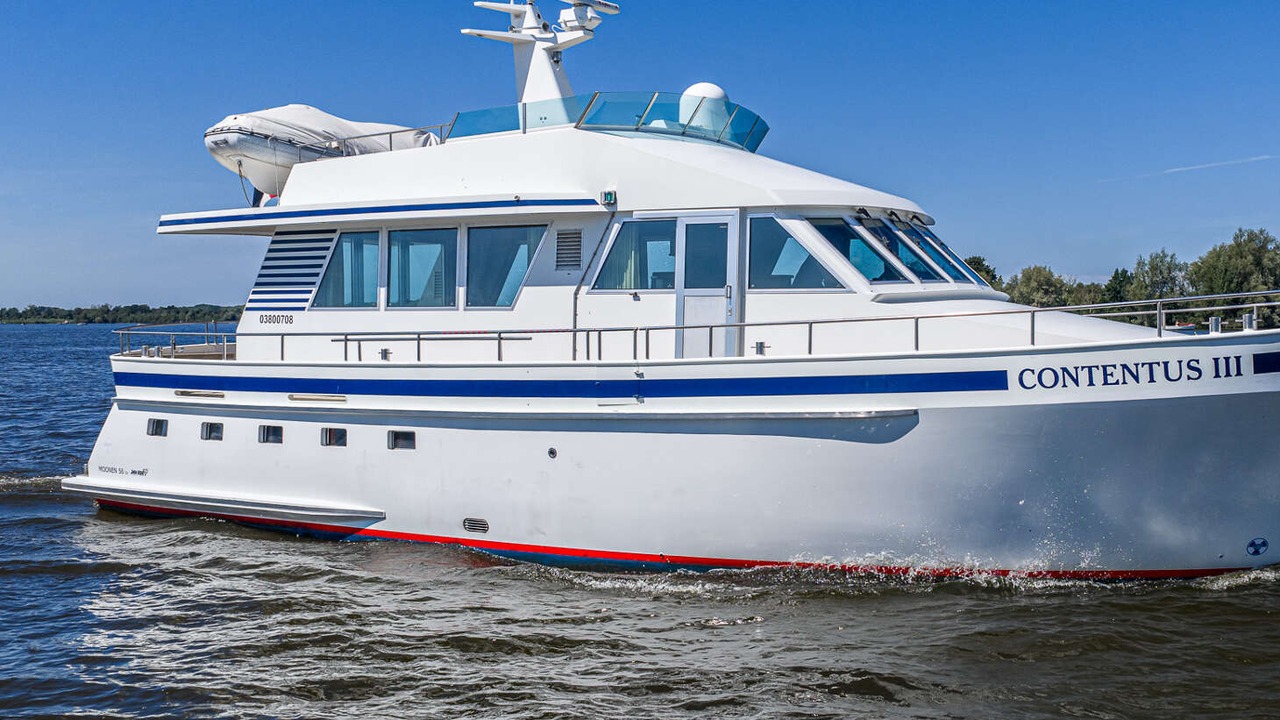
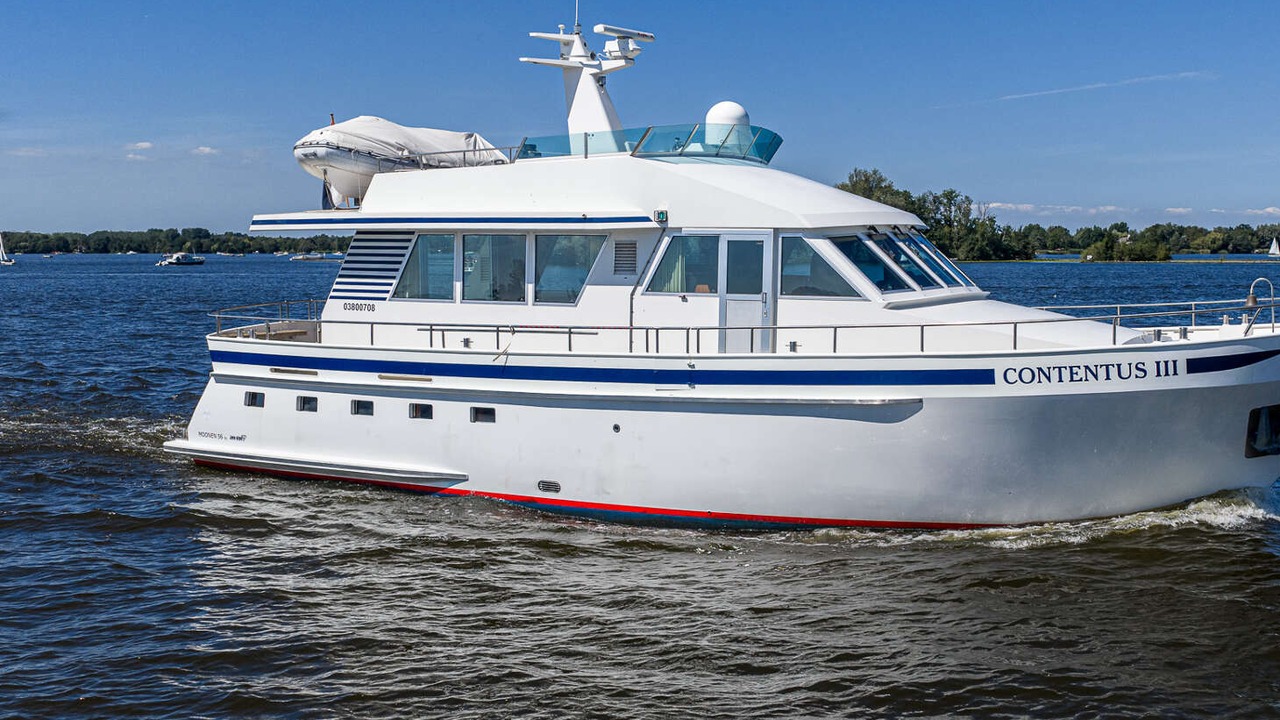
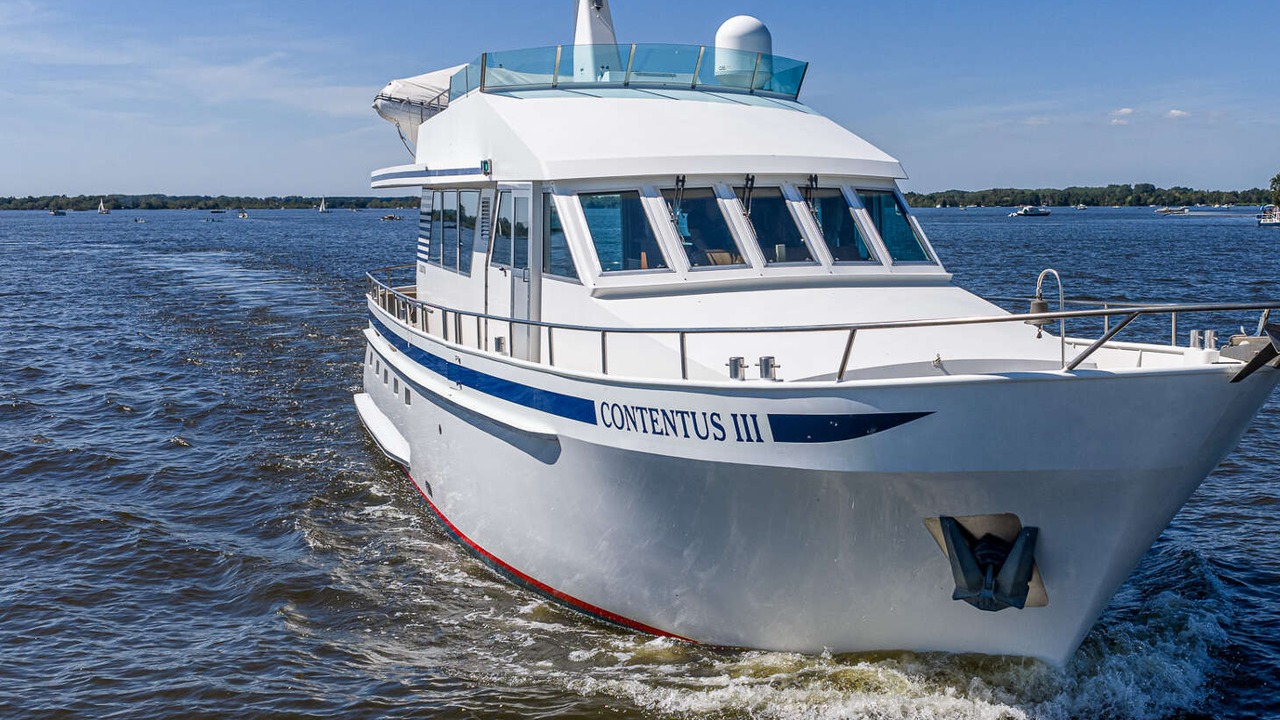
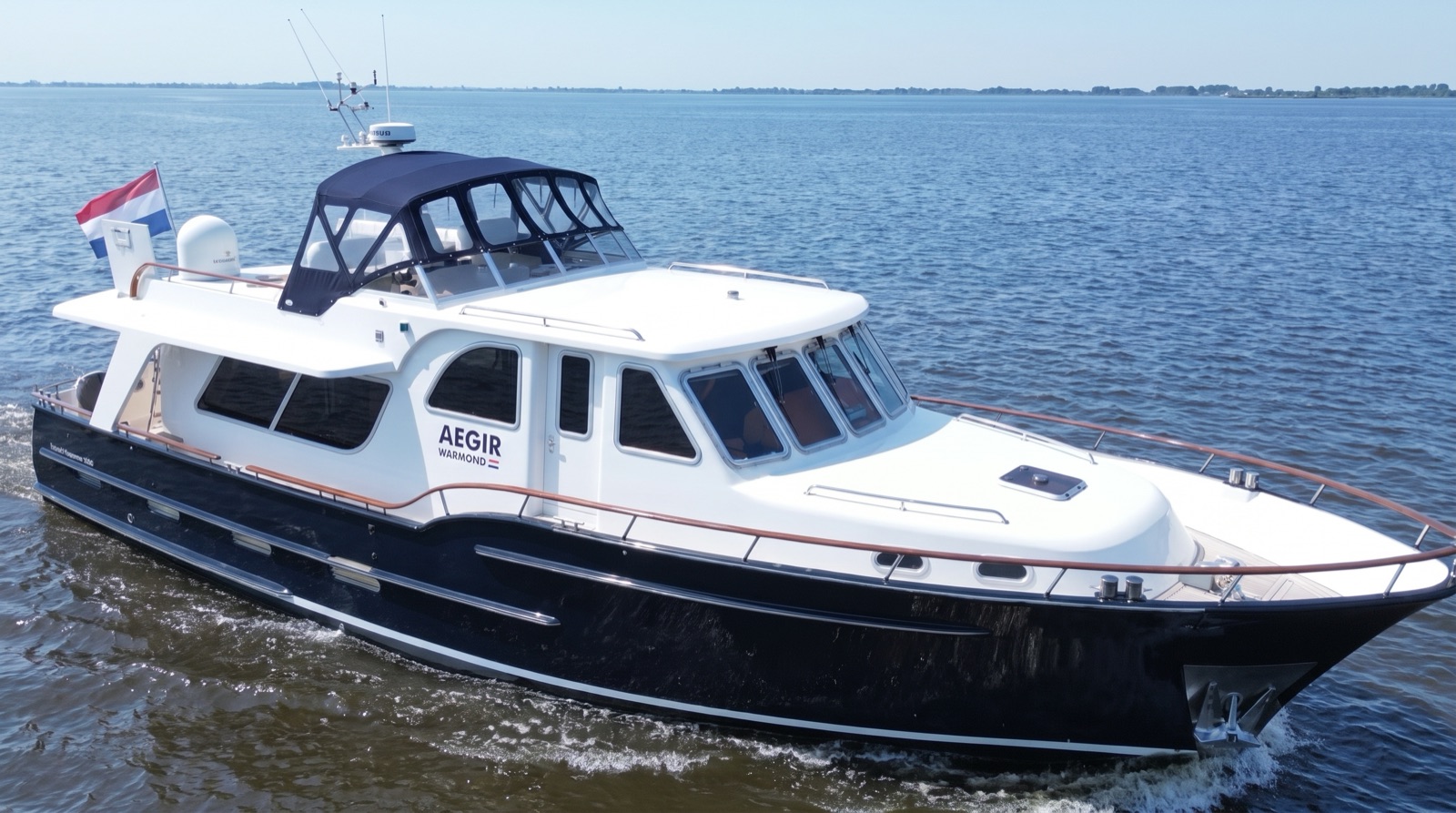
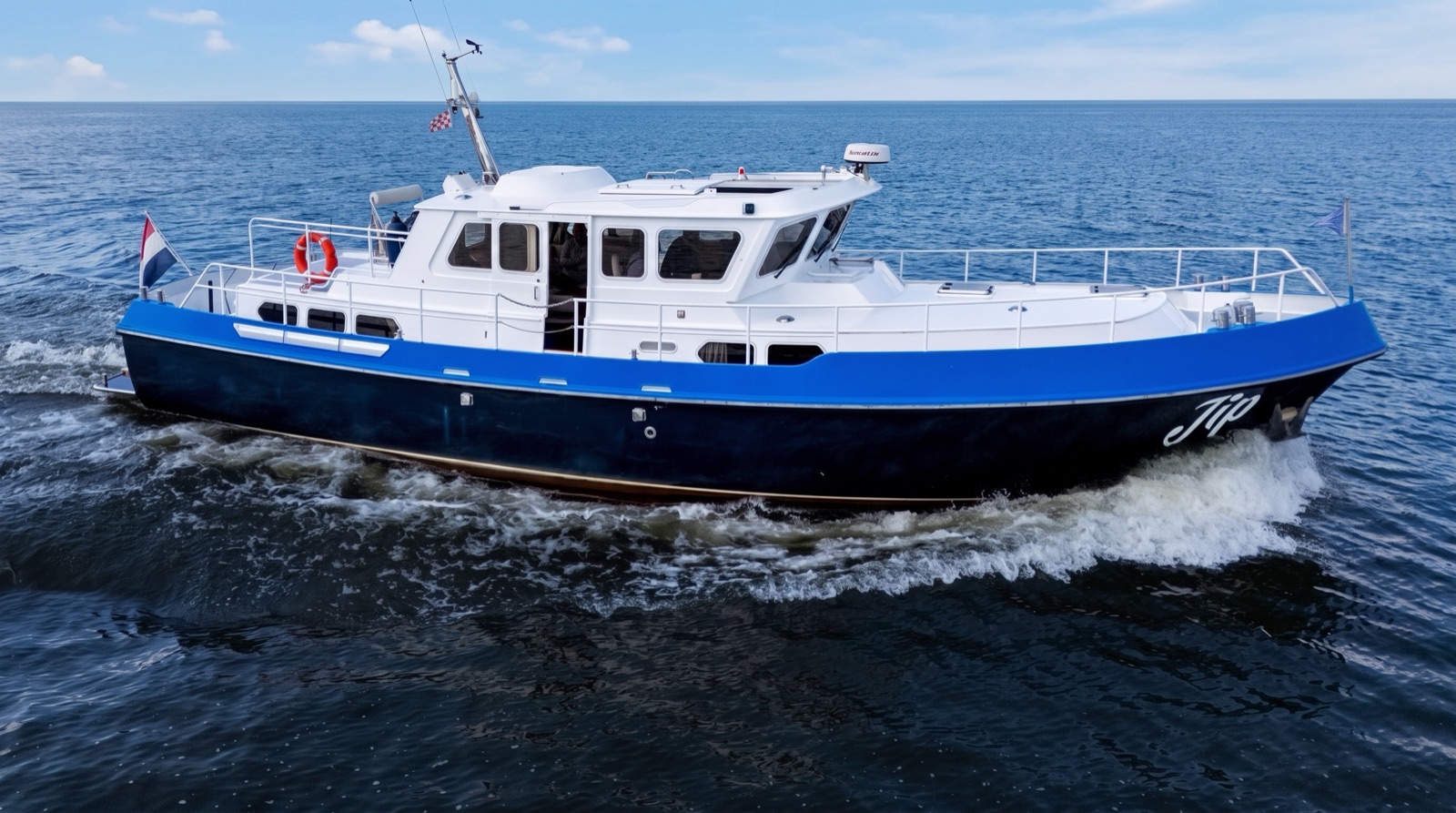
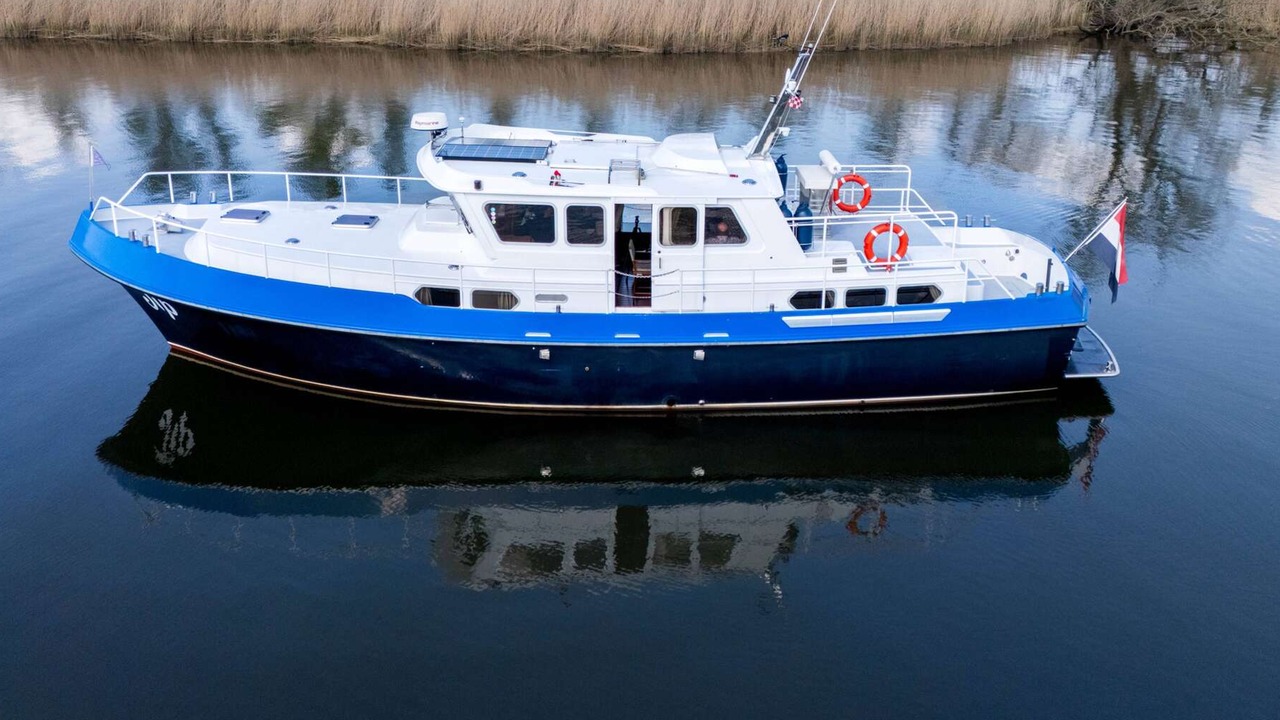
Both have their place, and I feature both. Dutch steel gives you strength and generous volume for living aboard, whilst a GRP hull from a yard like Nordhavn or Elling brings ocean pedigree and less upkeep of the hull itself. In my humble opinion, the right choice comes down to where you plan to cruise and how much maintenance you’re happy to take on.
Read more: Living aboard a Dutch steel trawler · Aegis, a Nordhavn 40
Can a 40 to 50ft boat really cross an ocean?
Yes, if she’s designed for it. Look for CE Category A, enough range for the passages you have in mind, and careful preparation. A stock Nordhavn 40 circumnavigated in 2001 and 2002, and an Elling E6 has crossed the North Atlantic by way of Greenland.
Read more: Aegis, a Nordhavn 40 · The Elling E6 · The Nordhavn 46 MK II
Will she self-right?
Followers often ask me this, and it’s one of the most serious questions you can ask about any boat. Ask the builder for her stability data, including the angle of vanishing stability. Elling put a production E4 through a full 360-degree capsize test in 2014, which I wrote about ahead of my visit to the yard.
Read more: Visiting Elling Yachts · The Elling E6
Should high engine hours put me off?
Not on their own. In my experience, full-time liveaboard boats are exceptionally well looked after, because owners rarely scrimp on maintenance when the boat is their home. On a documented, mechanically simple diesel, the service records and an engine survey tell you far more than the hour meter.
Read more: Aegis, with 8,600 engine hours
One engine or two?
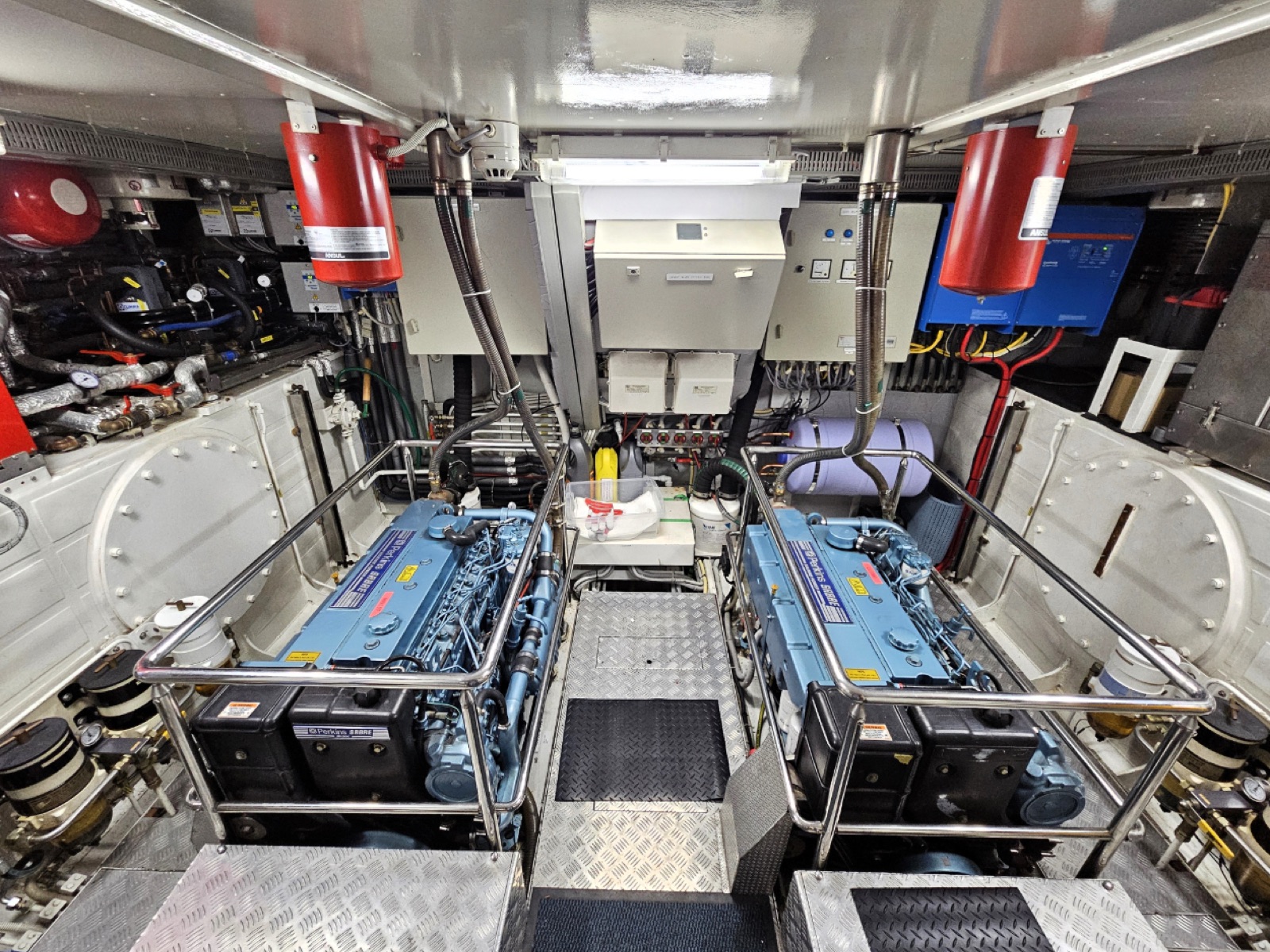
A single engine is fine, as long as she has a good get-home system. Ideally, the get-home engine drives its own shaft and propeller, as it does on the Elling E6, which is handy if the main propeller is ever fouled and you can’t dive to free it.
Read more: The Elling E6
Displacement speed or something faster?
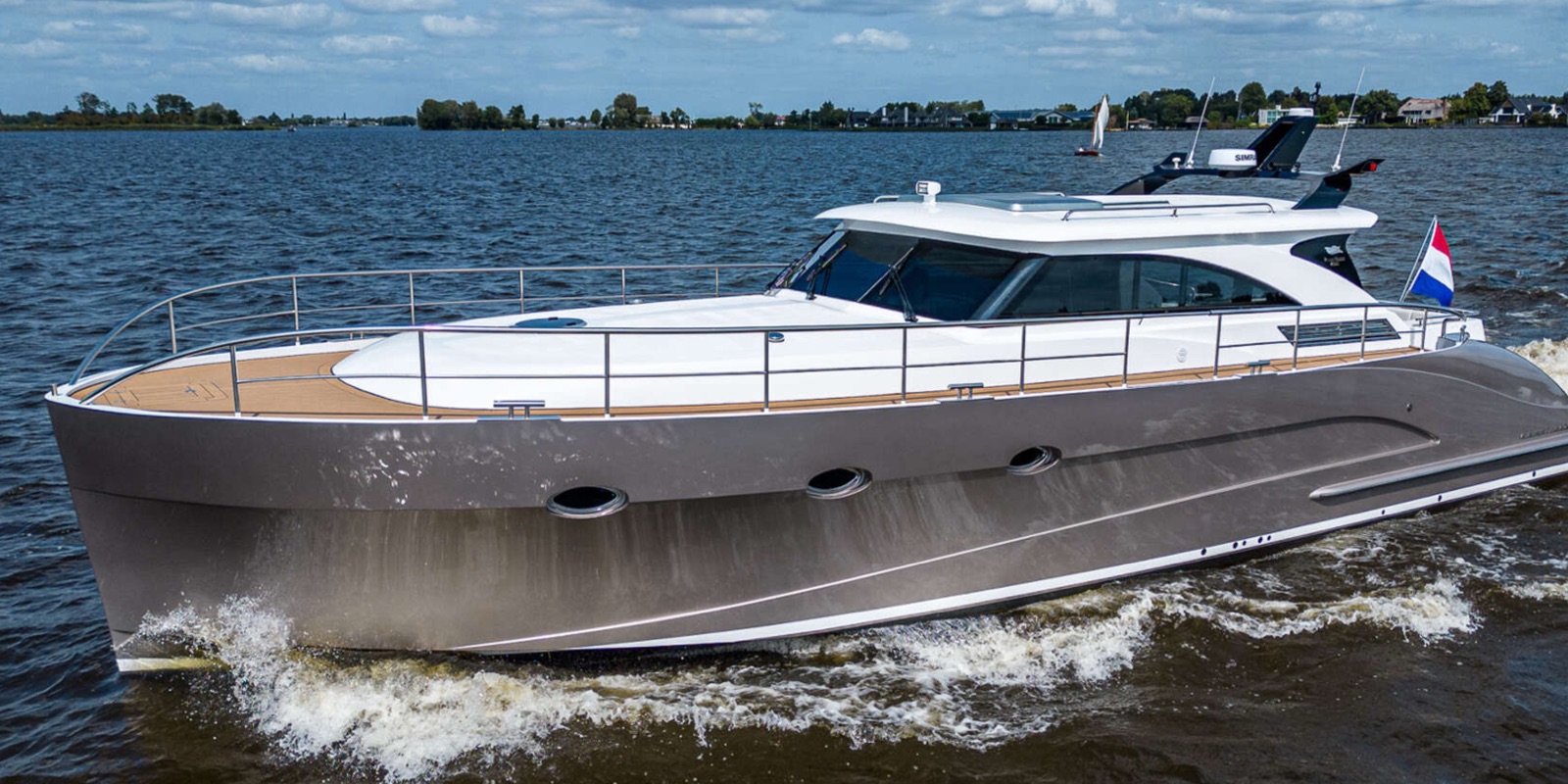
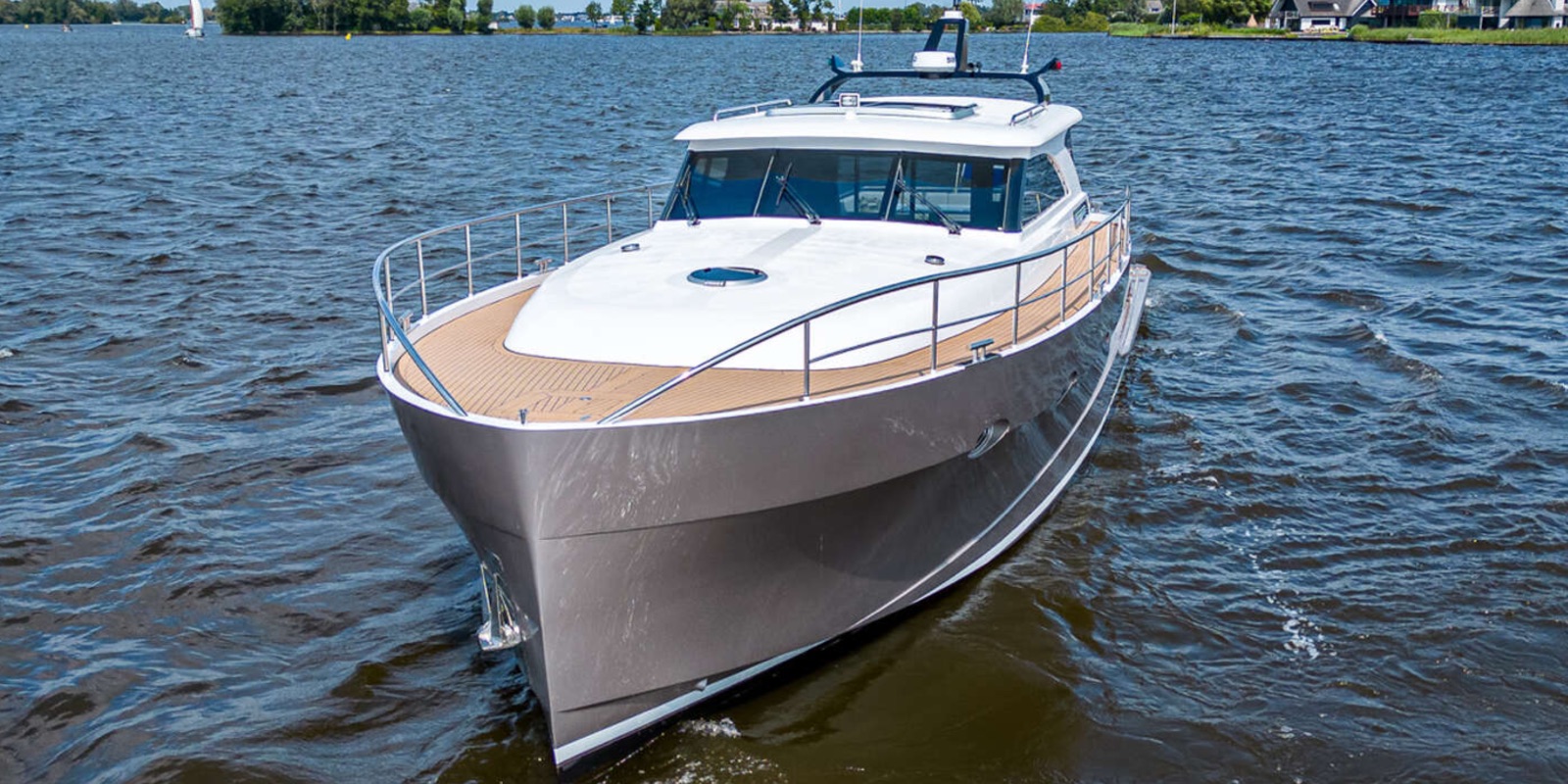
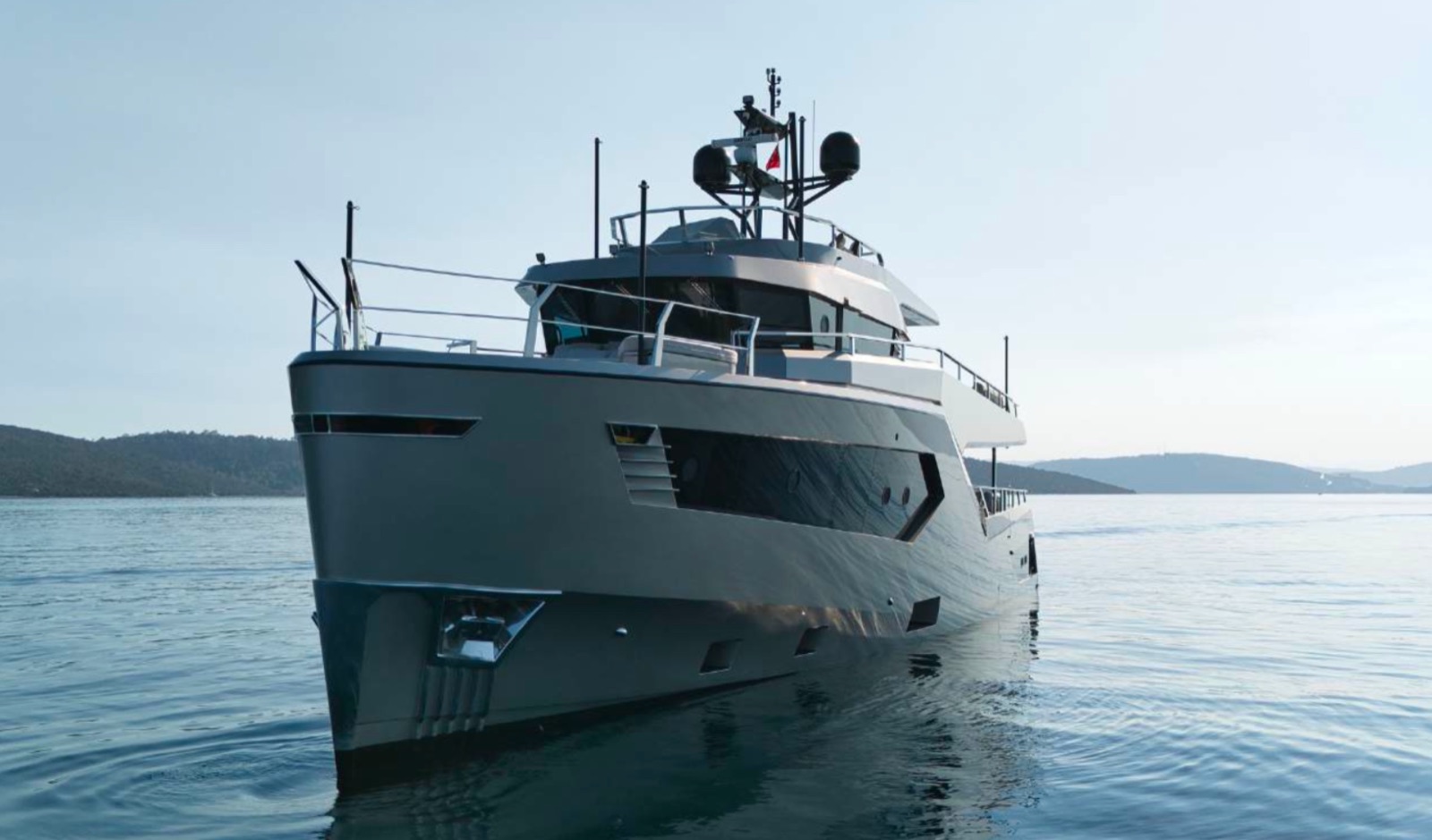
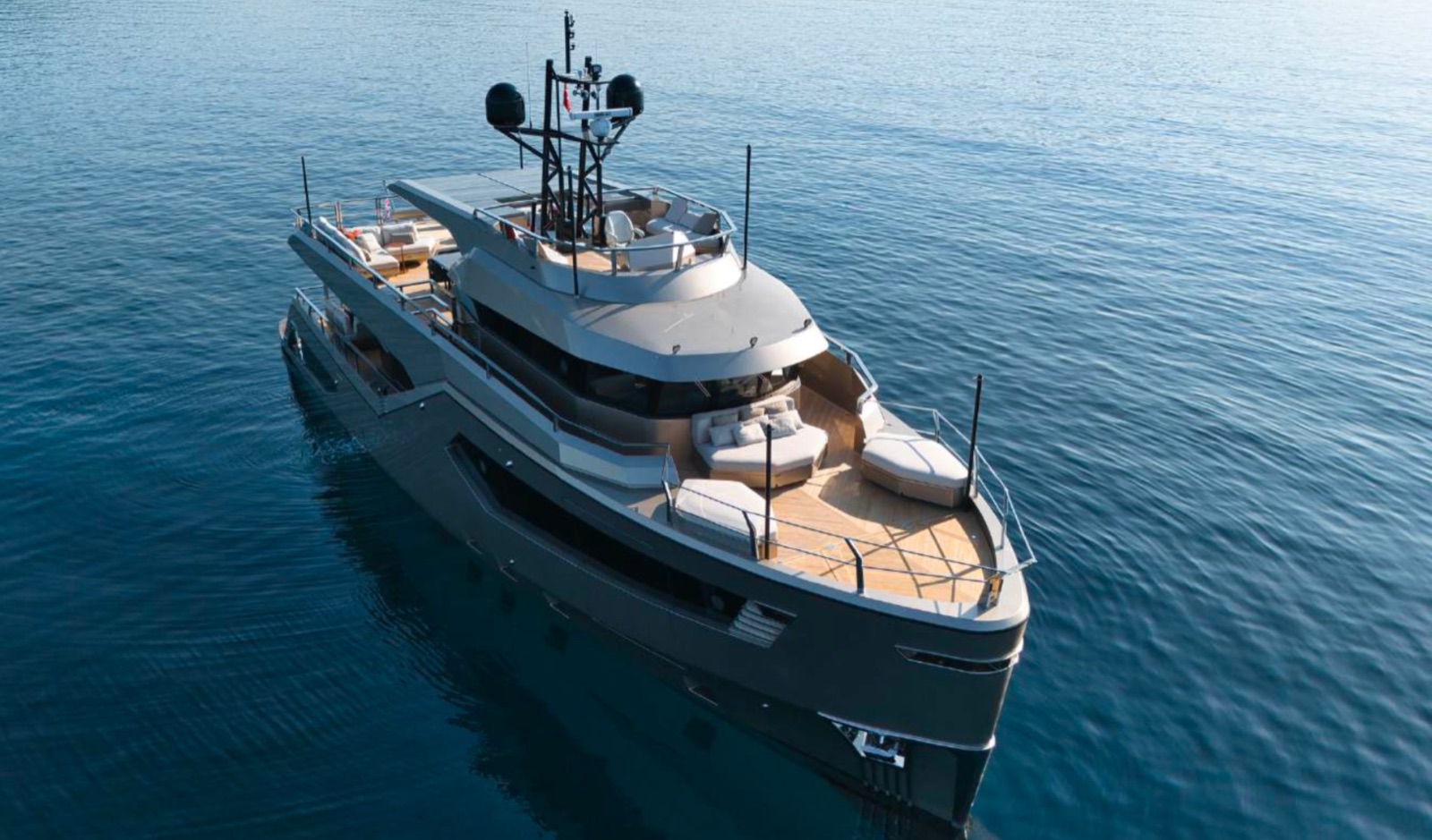
Typical explorer yachts top out at around 10 knots, and full displacement rewards patience and economy. Extra speed lets you make the most of a short weather window: the Elling E6 will do 20 knots, and the No Limit 13.20 is built for 30. Each suits a different kind of owner.
Read more: The Elling E6 · The No Limit 13.20
What should I check before making an offer?
Ask for full service records and recent survey reports, and arrange specialist inspections of the engines and systems through the broker of your choice. In my articles, I set out the questions I’d ask before making an offer, as I did with Aegis.
Read more: Aegis, a Nordhavn 40
Could I bring her home to the US, Australia, or the UK?
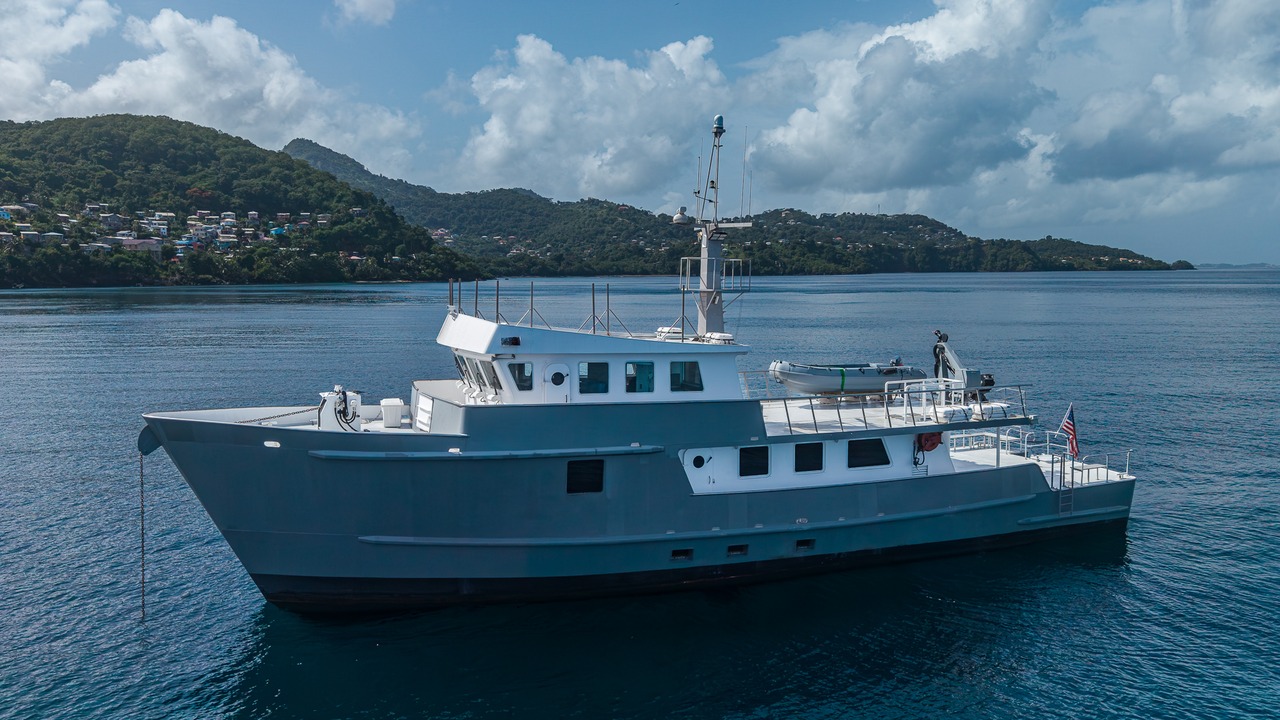
It’s the question I’m asked after nearly every trawler video, and the answer depends on where she is now and where home is. I walk through the practicalities with Reel Steel, a 60ft Australian steel boat.
Read more: Bringing Reel Steel home
What about converting a working boat?
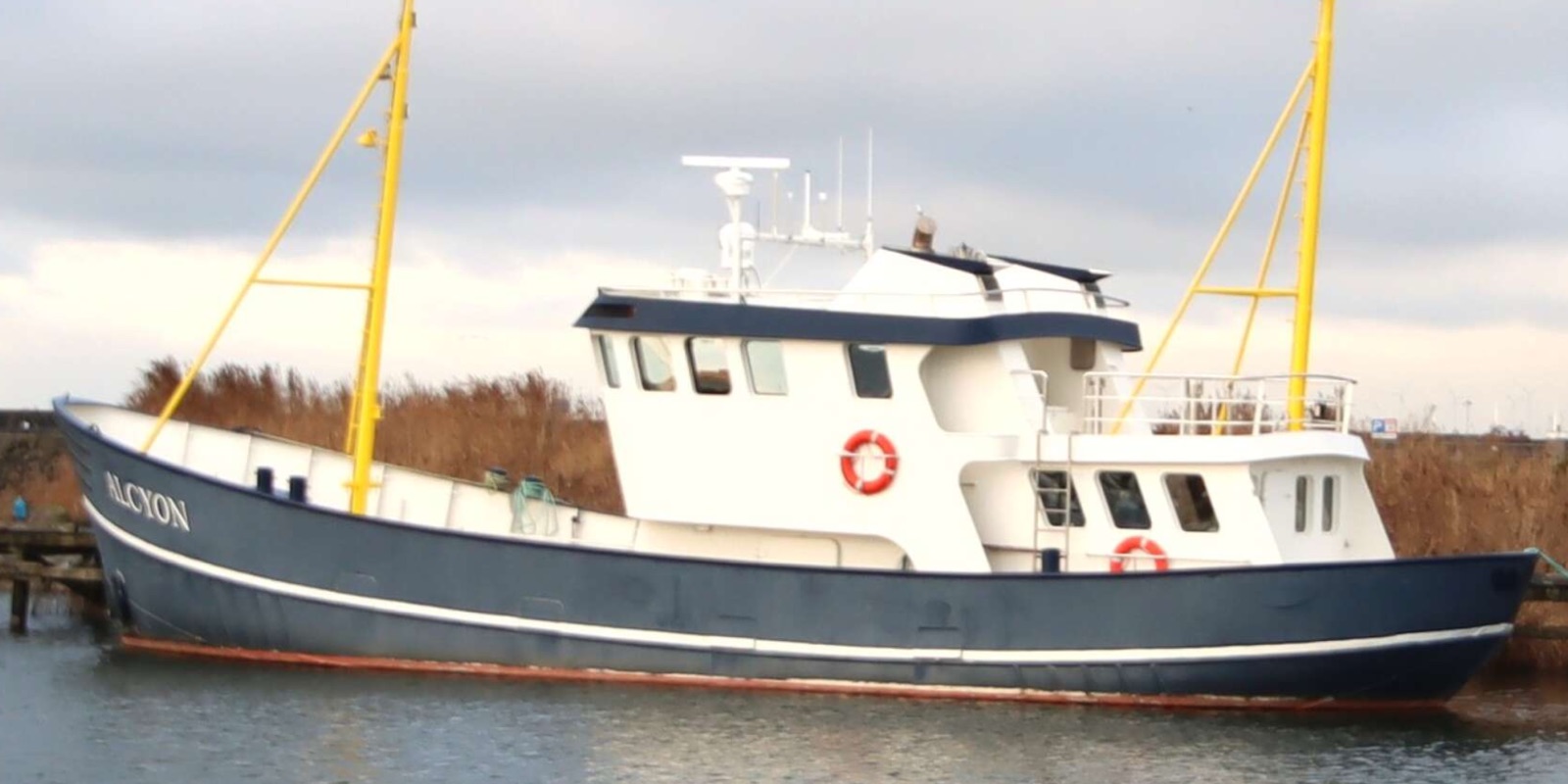
Ex-fishing boats, tugs, and other working vessels can make characterful homes. Every time I feature one, I’m asked what she actually did, and that history tells you a great deal about how she was built and used.
Read more: Atlas, a 24m ex-fishing boat · Salvator · The true cost of a conversion


 FIND OUT MORE